Everest Base Camp Trek: 14 Days of Himalayan Hiking from Kathmandu at a glance
Everest Base Camp Trek: 14 Days of Himalayan Hiking from Kathmandu is a 14-day retreat in Nepal, from USD 1,899 per person (indicative: confirmed before you pay), booked through Book Fitness Retreats with a small deposit.
| Where | Nepal |
|---|
| How long | 14 days |
|---|
| Price | From USD 1,899 (indicative) |
|---|
| Included | 14-day guided Everest Base Camp trek; Local guide and porters; Teahouse accommodation on the trek; Meals on the trek, prepared by the trek team |
|---|
| Best for | This suits people who want to walk to Everest Base Camp with the logistics handled: permits, flights, teahouses, food and a guide who knows the trail. |
|---|
The route follows the standard Everest Base Camp line. You start with the flight into Lukla and walk to Phakding, then follow the river up through Monjo and the national park gate to Namche Bazaar. Namche is where the trip slows down on purpose: a rest and acclimatisation day there is standard, and it is the last place with proper shops, bakeries and gear stores before the high villages.
From Namche the trail climbs to Tengboche, where the monastery sits under Ama Dablam, then on through Dingboche and Lobuche. The last stretch is the hardest — the altitude bites above 4,500 m, and the day to Gorak Shep and out to Base Camp is long. You come back down the same way, which is quicker, and fly out of Lukla to Kathmandu at the end.
What separates this from a generic EBC package is the operator's handling of specific food and religious requirements. One reviewer describes trekking as an observant Jewish client: the company supplied a cook for the whole route, ran the food past him so he could check hechshers, and arranged the itinerary around Shabbat. They also added a return through Renjo La at short notice when he asked. That is unusual, and it is the clearest evidence on the page of how they work.
Guides are local and named in the reviews — Gyanu in particular, described as calm, patient and known by everyone along the trail. Porters carry the main loads while you walk with a day pack. The company says it provides fresh meals, first aid supplies and round-the-clock communication, and it describes its groups as small.
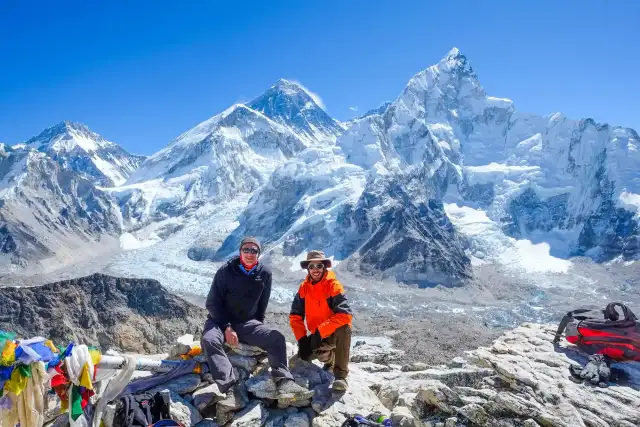
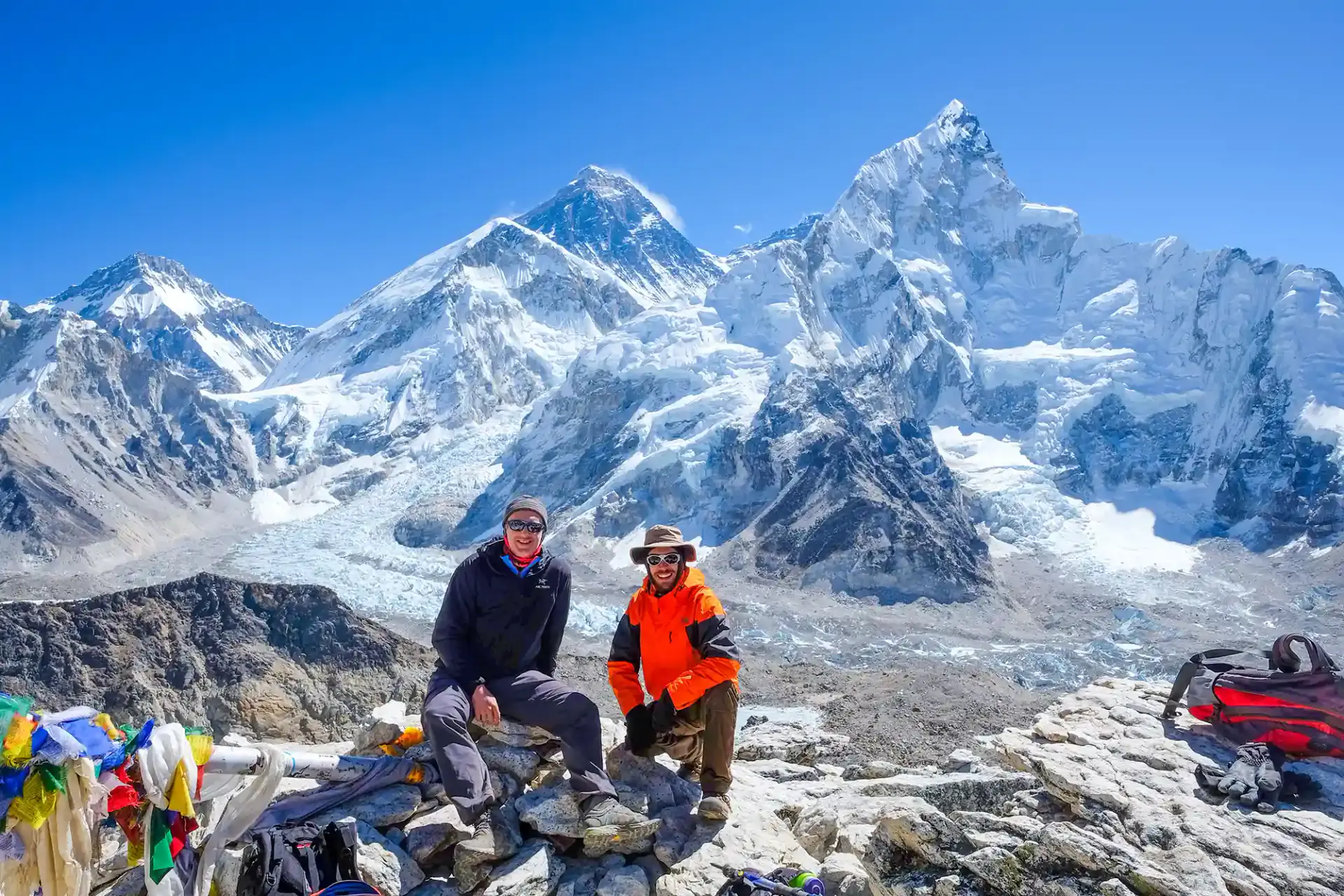
The scenery is the point. Gokyo Ri and the Renjo La pass come up in reviews as alternatives or extensions worth considering, and one reviewer who did both routes rates Gokyo well above Base Camp for views. If photography is your reason for going, it is worth asking about that before you book.
What's included
- 14-day guided Everest Base Camp trek
- Local guide and porters
- Teahouse accommodation on the trek
- Meals on the trek, prepared by the trek team
- Flights between Kathmandu and Lukla
- Sagarmatha National Park permits and trekking arrangements
- First aid supplies and round-the-clock communication
- Trip briefing in Kathmandu
What's not included
- International flights
- Travel insurance
- Nepal visa
- Personal trekking gear, including sleeping bag
- Drinks and personal expenses
- Tips for guides and porters
- Extra nights in Kathmandu
Questions about Everest Base Camp Trek: 14 Days of Himalayan Hiking from Kathmandu
How much does Everest Base Camp Trek: 14 Days of Himalayan Hiking from Kathmandu cost?
From USD 1,899 per person, an indicative price the host confirms before you pay. You secure your place with a small deposit through Book Fitness Retreats.
Where is Everest Base Camp Trek: 14 Days of Himalayan Hiking from Kathmandu?
Nepal.
How long is Everest Base Camp Trek: 14 Days of Himalayan Hiking from Kathmandu?
14 days.
What's included in Everest Base Camp Trek: 14 Days of Himalayan Hiking from Kathmandu?
14-day guided Everest Base Camp trek; Local guide and porters; Teahouse accommodation on the trek; Meals on the trek, prepared by the trek team.
How fit do I need to be for the Everest Base Camp trek?
You need a reasonable base of fitness and the ability to walk for several hours a day, day after day, at altitude. This is a 14-day trek reaching 5,364 m, not a walking holiday. Build up with long hill walks carrying a day pack before you go. The operator describes the trips as having the right amount of challenge, and reviewers describe the walking as vigorous.
What is the accommodation like on the trek?
Teahouses throughout. Rooms are basic and often cold, with shared bathrooms, and many places do not have Western toilets. Bring your own toilet paper and a very warm sleeping bag, particularly if you are trekking in winter. Namche Bazaar is the last place with proper shops for anything you have forgotten.
How does the trip handle altitude?
The itinerary includes acclimatisation days at Namche Bazaar and Dingboche, where you walk up and come back down to sleep at the same altitude. Guides check in daily on how you are eating, sleeping and feeling. If you feel unwell, tell your guide straight away — descending is the treatment for altitude sickness.
Can you cater for kosher food and Shabbat?
Yes, according to a detailed review on the page from an observant Jewish client. The company supplied a cook for the whole trek, ran the food past him so he could check hechshers, and arranged the itinerary around Shabbat. Raise this when you enquire, not on the trail.
What is the best time of year to trek to Everest Base Camp?
The page does not state specific seasons. The main trekking windows in the Khumbu are usually spring and autumn, but confirm the departure dates and conditions with the operator before booking.
Do I need travel insurance?
Travel insurance is not listed as included, so arrange your own. Make sure it covers trekking to 5,364 m and helicopter evacuation, which is standard for this route.
How big are the groups?
The operator describes its trips as small-group adventures but does not state a maximum number on the page. Ask when you enquire.
What should I pack?
A very warm sleeping bag is the item reviewers single out, along with toilet paper. You also need broken-in boots, layers for cold teahouses, a down jacket and a day pack. Porters carry the main luggage.